
The Science of Natural Rejuvenation
Discover the Science Behind PRP
Learn how platelet-rich plasma is prepared, how it works, and how it may be used in personalized facial rejuvenation and hair restoration treatments.
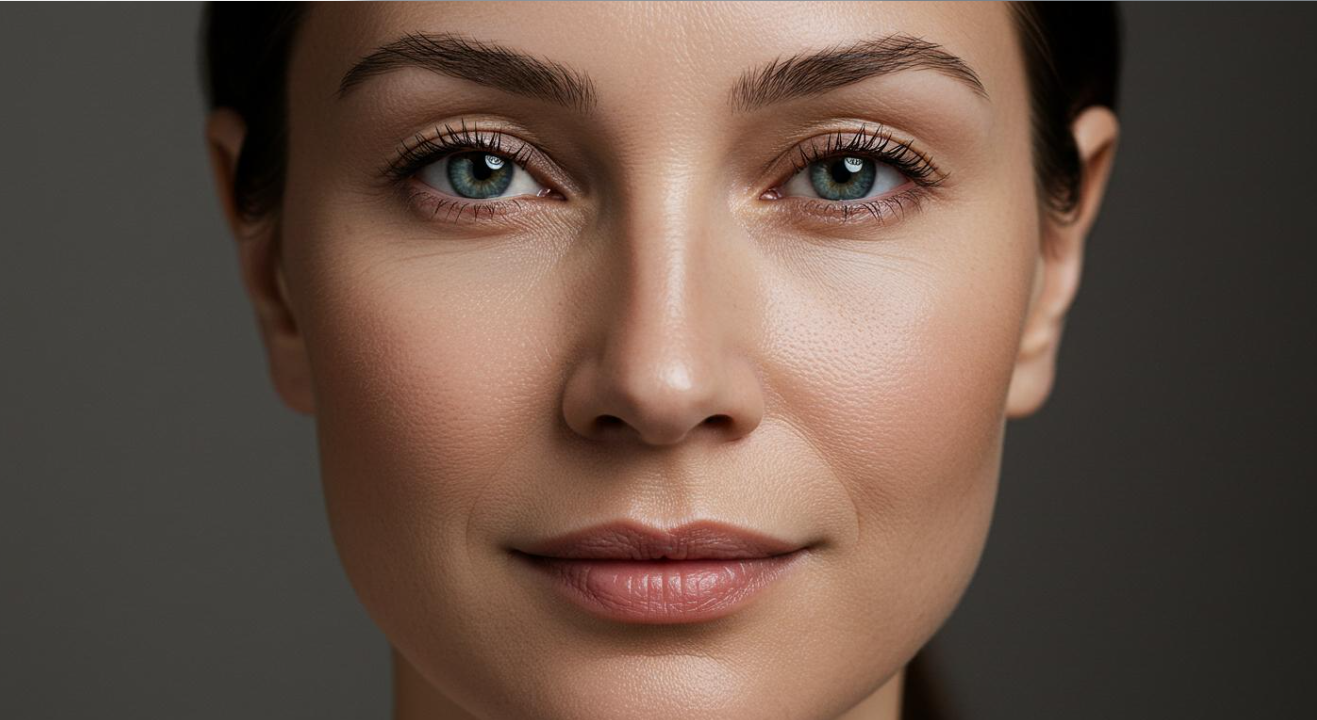
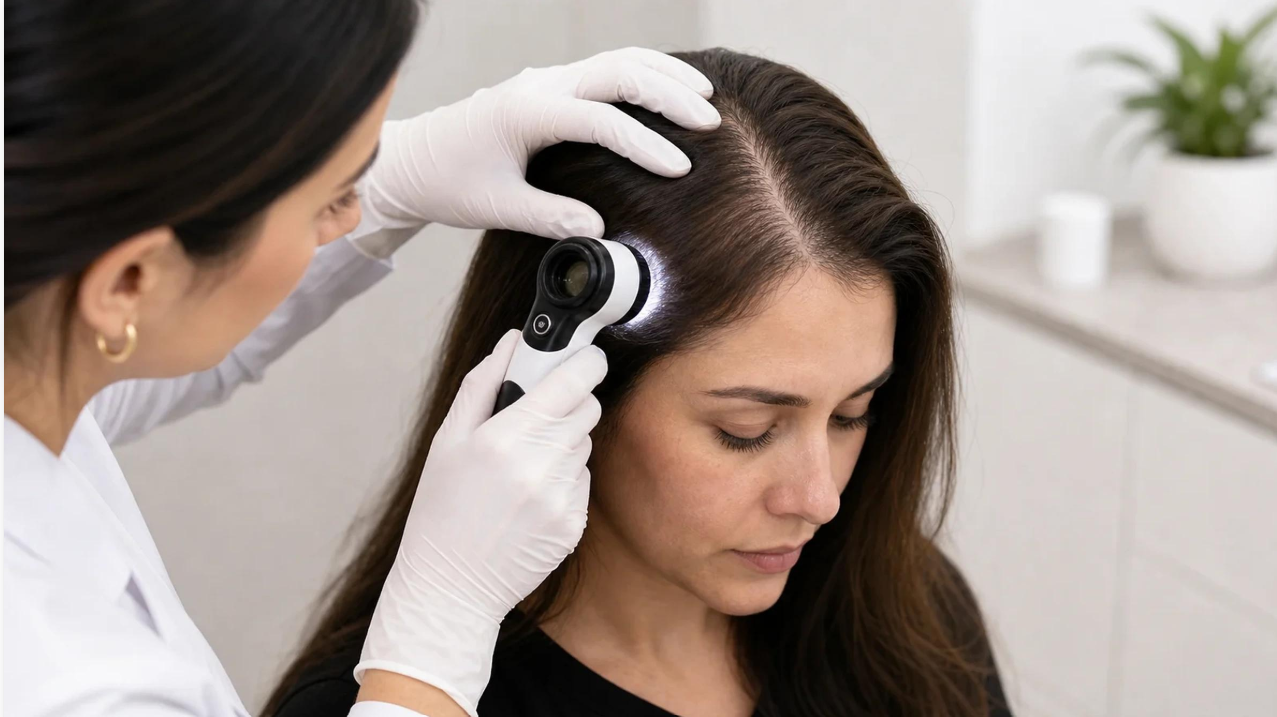
Understanding PRP
What Is Platelet-Rich Plasma?
Platelet-rich plasma (PRP) is a preparation made from a small sample of your own blood. Your blood is spun in a centrifuge, which separates it into its components. The layer richest in platelets is collected and concentrated. Platelets contain growth factors and proteins that are naturally present in your blood. The concentrated PRP is then applied or administered according to the approach your clinician selects.
01
Collect
A small blood sample is obtained, just as for a routine lab draw.
02
Concentrate
A centrifuge separates the blood components to prepare platelet-rich plasma.
03
Treat
PRP is applied or administered using the approach selected by your clinician.
PRP is an autologous preparation, meaning it uses your own blood. The role of PRP in facial rejuvenation and hair restoration is an area of ongoing research. Evidence varies by application, and results are not guaranteed.
An Honest Approach
Evidence, Not Promises
PRP is being studied for several cosmetic and dermatologic applications. Some uses have a growing body of research, while others have limited or mixed evidence. We believe in helping you understand what is established, what is emerging, and what remains uncertain, so you can make an informed decision.
- PRP combined with microneedling is not FDA-approved or FDA-cleared.
- PRP is not FDA-approved for hair loss treatment.
- Outcomes vary between individuals, and some people may see limited or no improvement.
- Results are not permanent; maintenance is typically recommended where improvement occurs.
- Treatment suitability is determined by a licensed provider during consultation.
What to Expect
Your PRP Experience
Curious about what happens from consultation to aftercare? Walk through the complete patient journey, including practical information on possible discomfort, bruising, and recovery.
Explore the Patient JourneyMedical Disclaimer
This information is educational and is not medical advice. PRP applications for facial rejuvenation and hair restoration are elective, cosmetic uses of an autologous preparation. PRP combined with microneedling is not FDA-approved or FDA-cleared. Outcomes vary, and some individuals may experience limited or no improvement. Treatment suitability is determined by a licensed provider during consultation. Always consult a qualified healthcare professional about your specific concerns and medical history.